How Western Maine Short-Term Rental Owners Can Maximize Revenue Near Sunday River
Most advice about increasing Airbnb revenue is written for generic markets, beach towns, big cities, places with one predictable season. Western Maine doesn’t work that way, and the owners who earn the most from their properties tend to be the ones who stop applying generic playbooks and start managing to the actual local demand pattern.
Understand your real demand calendar, not the “obvious” one
Sunday River drives a strong winter season, but the shoulder weeks around it (early December, late March) swing wildly based on snow conditions in a given year. Summer demand is driven less by a single peak and more by a steady stream of hikers, river access seekers, and Bethel-area visitors. Owners who price flatly by “season” miss the actual week-to-week demand curve. Reviewing local event calendars, snow forecasts, and comparable listing availability weekly, not seasonally, captures revenue that flat pricing leaves behind.
Guest value perception is about price-to-experience fit, not just amenities
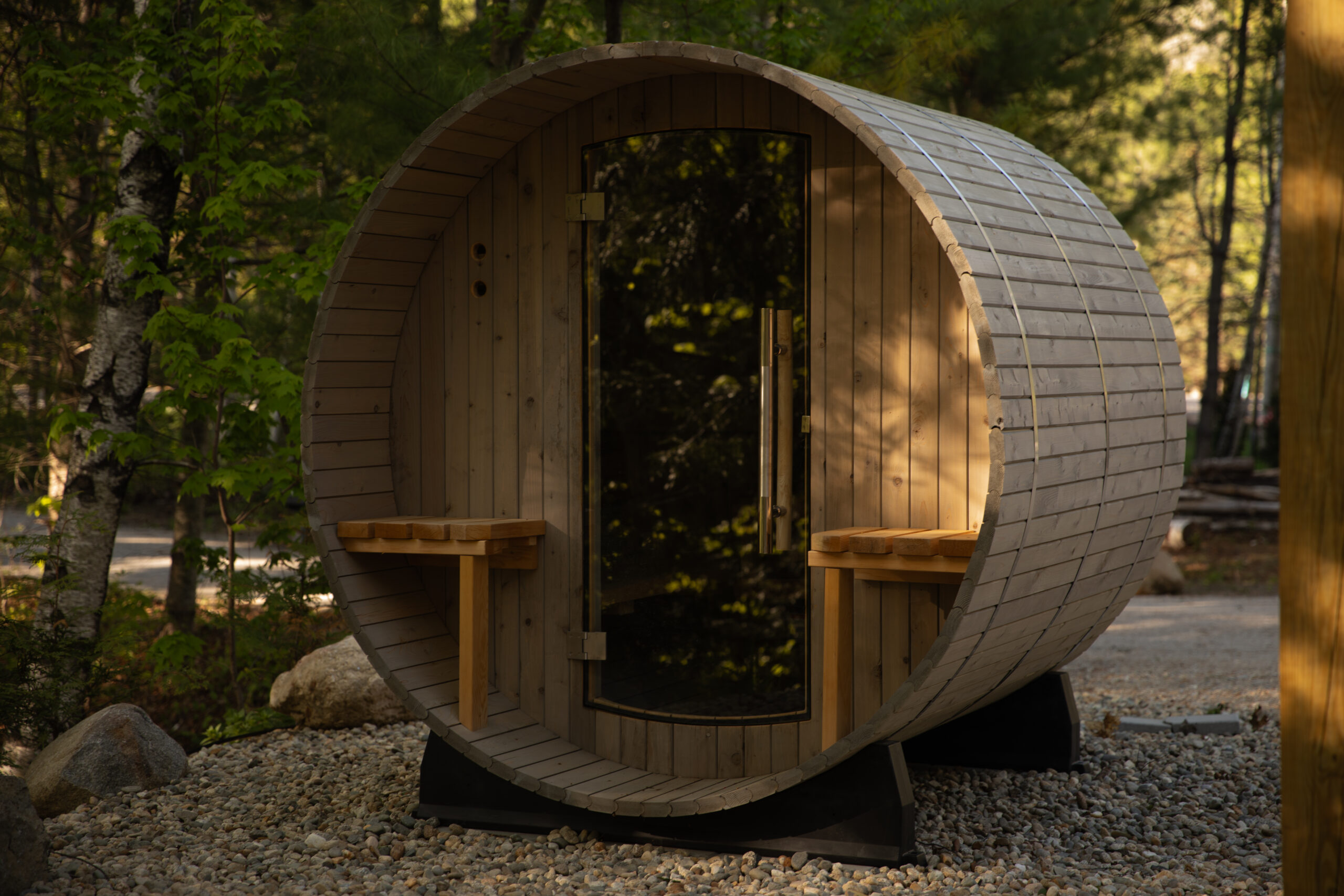
A common mistake is assuming that adding more amenities always justifies a higher rate. In practice, what matters most is whether the nightly rate feels fair for what’s delivered. A well-designed one-bedroom cabin with a sauna, hot tub, and river access can outperform a larger but generic property, because guests are booking an experience, not square footage. Pay close attention to your guest review value ratings relative to your rate, a pattern of lower scores specifically on “value” (rather than cleanliness or communication) is usually a pricing signal, not a product problem.
Photography and listing quality directly move your achievable rate
Two nearly identical cabins can command meaningfully different rates based on listing presentation alone. Professional photography, a well-written description that leads with the property’s actual character, and a design-forward interior all increase a guest’s willingness to pay before they’ve ever set foot on the property.
Minimum stay strategy matters more in a shoulder-heavy market
In markets with one dominant season, minimum-stay rules are simple. In western Maine, being too rigid with minimum stays during shoulder weeks can leave a calendar full of gaps that never fill. Loosening minimum stays selectively during lower-demand weeks (rather than uniformly) often recovers revenue that would otherwise sit empty.
Direct booking reduces platform dependency and fees
Relying entirely on Airbnb or VRBO means paying platform fees on every stay and competing purely on listing algorithm visibility. A simple direct-booking site, even a basic one, captures repeat guests and referral traffic without the platform cut, and it’s one of the highest-leverage investments an owner can make once a property has a track record of good reviews.
The properties that outperform the market share a pattern
They’re priced dynamically, not seasonally. They’re professionally photographed. They lead with a clear identity (river access, sauna, design) rather than a generic feature list. And they’re actively managed week to week, not set once and left alone.
Stay Hygge manages a portfolio of design-forward short-term rentals in western Maine, including Bear River Cabin in Newry. If you want a second set of eyes on your property’s revenue performance, we’re happy to take a look.
Related Posts