How to Evaluate Land for a Short-Term Rental Build Before You Buy
How to Evaluate Land for a Short-Term Rental Build Before You Buy
The single biggest determinant of a ground-up short-term rental’s long-term success isn’t the design or the finishes, it’s the land itself. A great design on the wrong site will always underperform a modest design on a genuinely differentiated piece of land. Here’s what to actually evaluate before making an offer.
Proximity to demand drivers
In western Maine, that generally means distance to Sunday River, Bethel village, and the broader outdoor recreation corridor. A twenty-minute difference in drive time can meaningfully affect achievable nightly rate and occupancy, especially for winter demand tied directly to ski traffic.
Water access or a view, if either is available
Direct access to a river, brook, or lake, or a strong mountain view, are among the few features that a future owner genuinely cannot add after the fact. If a parcel has either, it’s worth weighing heavily against parcels that are otherwise similar but lack a natural differentiator.
Buildable area versus total acreage
A large parcel isn’t automatically a good site. Slope, wetlands, setbacks from water bodies, and shoreland zoning buffers can shrink the actual buildable footprint dramatically. It’s worth getting a realistic read on usable building area, not just total acreage, before evaluating whether a parcel supports the project you’re picturing.
Utility and infrastructure reality
Is there existing power to the lot, or does it need to be run in, sometimes at significant cost depending on distance from the road? Is public water and sewer available, or will the project need a private well and septic system, which comes with its own design, permitting, and soil testing requirements? These questions should be answered before a purchase, not after.
Access and crossing requirements
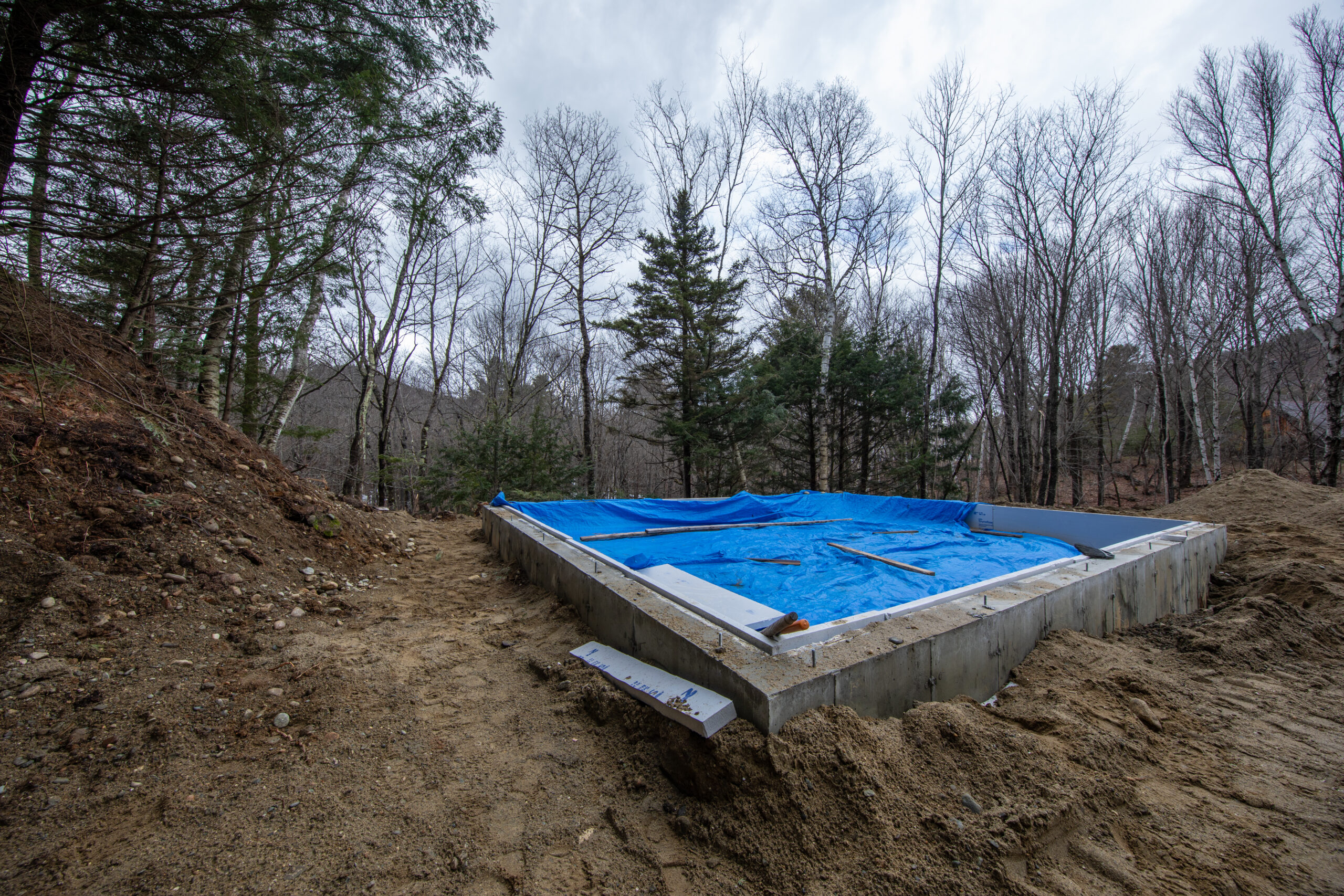
Some of the most scenic parcels, ones with water frontage or set back from the road, require a driveway, culvert, or even a bridge crossing to reach a viable building site. These can be some of the largest and least visible costs in an entire project, and they need to be scoped realistically before land is purchased, not discovered mid-construction.
Zoning and permitting exposure
Confirm the parcel’s zoning district, any shoreland zoning overlay, and whether the intended use (a short-term rental) is permitted outright, requires a conditional use permit, or is restricted in that municipality. Maine towns vary significantly in how they regulate short-term rentals, and this alone can make or break a project’s viability on paper before a single tree is cleared.
The mistake most first-time land buyers make
Buying based on how a parcel feels standing on it, rather than how it evaluates against buildable area, utility cost, and permitting reality, is the most common and most expensive mistake in this process. A beautiful piece of land that costs an extra six figures to make buildable isn’t actually a good deal.
Stay Hygge has sourced and developed land for short-term rental projects in western Maine, including full site evaluation, permitting navigation, and infrastructure planning. If you’re considering a parcel, we’re glad to help evaluate it before you commit.
Related Posts
Building a Retreat From Raw Land: What a Ground-Up Multi-Cabin Project Actually Takes
What a Full-Service, Ground-Up Short-Term Rental Build Actually Involves